Remediating bed bugs requires a strategic choice between whole-structure thermal heat remediation and standalone liquid chemical treatments. Whole-home heat remediation elevates interior ambient temperatures to between…
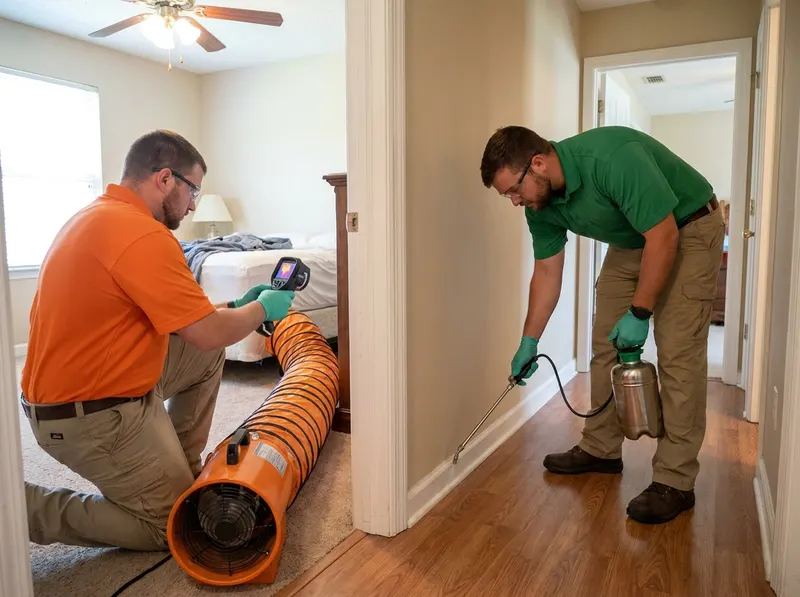
Remediating bed bugs requires a strategic choice between whole-structure thermal heat remediation and standalone liquid chemical treatments. Whole-home heat remediation elevates interior ambient temperatures to between 120°F and 135°F, sustaining that window for at least 90 minutes to ensure heat penetrates mattress cores, subfloors, and hollow wall voids where bed bugs hide. Thermal treatment neutralizes all life stages, including heat-sensitive eggs, in one session without recurring visits. The trade-off is the necessary prep work: homeowners must remove heat-sensitive items such as candles, medications, pressurized aerosol cans, and vinyl records prior to technician arrival. For isolated introductions, a targeted chemical application using microencapsulated residual formulations and desiccating dusts provides an effective alternative at a lower upfront cost, though chemical-only programs typically require 2 to 3 follow-up inspections spaced 14 days apart to address newly hatched nymphs.
Baton Rouge homes feature structural characteristics that directly influence bed bug containment. In older historic properties throughout Spanish Town and the Garden District, heart-pine framing, uninsulated interior walls, and decorative molding offer extensive harborages where insects migrate between rooms. In concrete slab homes common across Broadmoor, Mid City, and Southdowns, baseboards and carpet tack strips along exterior walls represent the primary transfer routes. Further east in Shenandoah, Inniswold, Tara, and Bocage, multi-story brick veneers require careful sensor placement: technicians deploy wireless thermal probes at floor level, inside deep closets, and behind built-in cabinetry to verify that core temperatures reach the mandatory 122°F kill point before the cooling phase begins.
The process follows four direct steps. 1. An on-site visual and sensor inspection maps activity zones across mattresses, headboards, and adjacent furniture. 2. Technicians install high-output heaters and ducting, positioning high-velocity air circulators to eliminate cool thermal pockets. 3. Temperatures are maintained at target levels for 4 to 6 continuous hours while technicians rotate furniture to expose hidden seams. 4. After the structure cools, crews apply non-repellent residual insecticides to baseboards and install active mattress encasements to prevent re-infestation from outside sources.
Every job gets a firm, written price after a free on-site visit.
Tell us about your bed bug heat & residual remediation job in Baton Rouge and we'll send a clear, written quote, usually the same day.
 Quintra Pest Relief